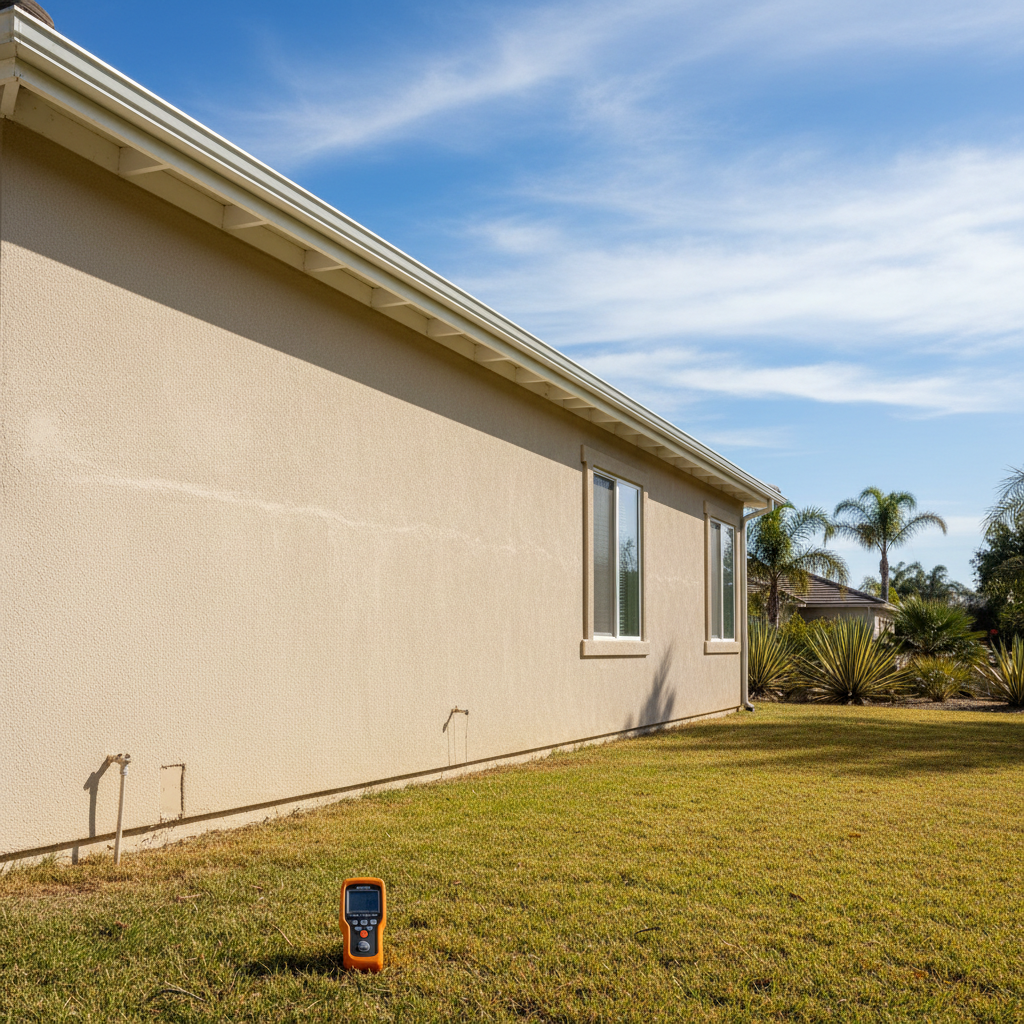
You've got a beautiful home here in Carlsbad — maybe down by the lagoon, or up in La Costa — and you're thinking about getting that stucco checked out. Smart move, honestly. Stucco's great, but it really needs attention, especially with our coastal climate. But here's the thing: a stucco inspection isn't just a stucco inspection. There are some big mistakes I see homeowners make, and frankly, they can cost you a lot of grief and money down the line.
Mistake #1: Waiting for Obvious Damage to Appear
This is probably the biggest one I see. People wait until they spot a huge crack, a stained wall, or, even worse, water actually getting inside their house. By then, you're not looking at an inspection anymore; you're looking at a repair project that's probably much bigger than it ever needed to be. Stucco problems, especially water intrusion, often start small and stay hidden. They can be behind the walls for a long time before anything shows up on the surface. Think about it: our marine layer and those occasional heavy rains can really test your stucco's integrity. Getting an inspection every few years, especially if your home is over 10-15 years old, is just good preventative maintenance. It's like going to the dentist before you have a toothache, you know?
Mistake #2: Hiring Just Any Home Inspector for Stucco
Look, a general home inspector is great for a lot of things. They'll check the roof, the plumbing, the electrical system. But stucco? That's a specialized skill. Most general inspectors aren't really set up to do a proper, invasive stucco inspection. They'll do a visual check, maybe tap a few spots, and tell you if they see obvious cracks. That's just not enough. You need someone who truly understands stucco systems, how they're installed, what the common failure points are, and how to use moisture meters correctly. They should know what to look for around windows, doors, and rooflines – those spots where water just loves to get in. If you're getting a stucco inspection, make sure the person doing it specializes in stucco or building envelopes. Ask them about their training and experience specifically with stucco; it matters.
Mistake #3: Not Understanding the Inspection Report
So, you get this thick report, full of technical jargon and photos. It's easy to just skim it, see a few red circles, and then panic. Or even worse, just ignore it. A good stucco inspector won't just hand you a report and walk away; they'll actually walk you through it. They'll explain what they found, why it's a problem, and what the potential implications are. Don't be afraid to ask questions. If they say