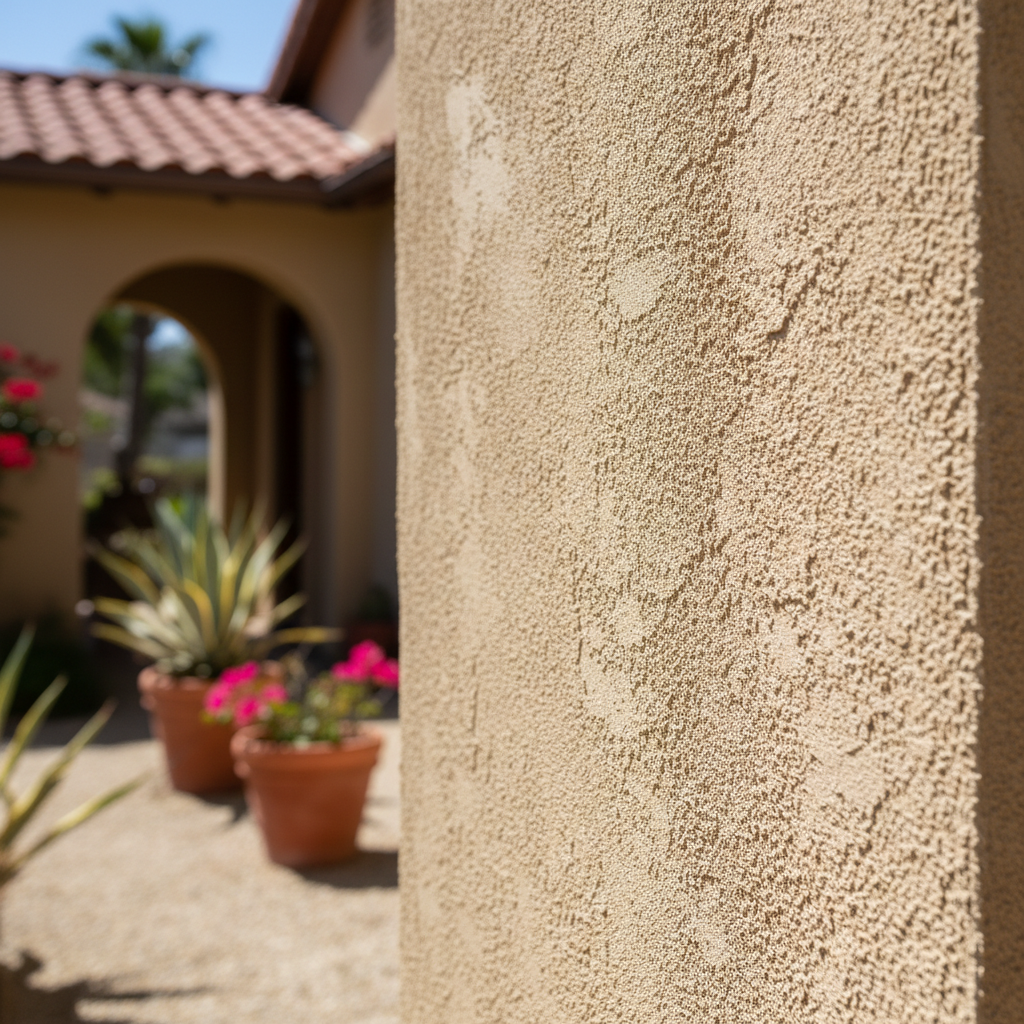
Alright, let's talk about your stucco. It’s a tough material, built to last, especially here in Carlsbad where we get that salty air and occasional Santa Ana winds. But "tough" doesn't mean "indestructible," does it? Over time, things happen, and you really need to keep an eye on it. This isn't about being an expert; it's about being smart and knowing what to look for before a small problem turns into a huge headache.
Before You Even Start Looking: Get Ready
First off, you need to set yourself up for success. You won't find much standing 20 feet away. Grab a pair of binoculars if you have them, a flashlight, and maybe a small notepad or your phone to snap some pictures. Safety first, always. If you need a ladder, make sure it’s stable and you’re comfortable using it. Seriously, don't go climbing on your roof if you're not used to it. That's a job for a pro, or at least someone who knows what they're doing up there.
What to Look For: Your DIY Stucco Checklist
Here’s what you can realistically inspect yourself without specialized tools:
- Cracks: This is probably the most common thing people notice. Hairline cracks? Usually not a huge deal, especially if they’re thin like a human hair. Stucco naturally expands and contracts with temperature changes, so some minor cracking is normal. But if you see cracks wider than 1/16th of an inch (about the thickness of a credit card), or if they’re running horizontally or in a spiderweb pattern, that’s a red flag. Pay close attention around windows, doors, and where different materials meet.
- Stains and Discoloration: Are there dark streaks or patches? That could be dirt, algae, or even water getting trapped behind the stucco. Green or black spots often mean moisture. Rust-colored stains? Those might be from corroding metal flashing. These aren't just cosmetic; they can point to a bigger issue.
- Bulges or Soft Spots: Gently tap on your stucco with your knuckles or a rubber mallet. Does it sound hollow in some places? Does it feel soft or spongy when you press on it? That’s a bad sign. It usually means water has gotten behind the stucco, and it's damaging the lath or the sheathing underneath. This is a big one.
- Efflorescence: See any white, powdery deposits? That’s efflorescence. It means water is moving through the stucco, dissolving salts, and then depositing them on the surface as it evaporates. It’s a clear sign of moisture intrusion.
- Sealants and Flashing: Take a good look at the caulk or sealant around your windows, doors, and any penetrations like pipes or vents. Is it cracked, peeling, or missing? That's an open invitation for water. Also, check your flashing – those metal strips designed to direct water away from vulnerable areas, especially at the roofline or where the stucco meets a foundation. If it's bent, rusted, or improperly installed, it's not doing its job.
- Drainage: This isn't strictly about the stucco itself, but it directly impacts it. Look at your gutters and downspouts. Are they clogged? Is water overflowing and running down your stucco? Is the ground around your foundation sloping away from the house, or is it pooling water against the stucco? Poor drainage causes a lot of stucco failure. I see this a lot in older homes up in the La Costa area where the grading might not be as robust as it needs to be.
When to Call Carlsbad Stucco & Plastering (or another pro)
Look, you can do a lot of preliminary checking yourself, and that’s smart. It helps you understand what’s going on. But if you find any of those red flags I mentioned – significant cracks, soft spots, persistent staining, or compromised flashing – it’s time to call in a professional. Don't try to patch up major issues yourself unless you really know what you're doing. You could end up making things worse or just covering up a deeper problem.
A good stucco contractor, like us at Carlsbad Stucco & Plastering, has the tools and experience to properly diagnose the issue. We use moisture meters to detect hidden water, identify the root cause of cracks, and recommend the right repair. We'll get up on that ladder safely, inspect those hard-to-reach spots, and give you an honest assessment. Sometimes it's a simple fix; other times, it's more involved. But knowing is always better than guessing.
Your home is a big investment. Taking a little time to inspect your stucco regularly can save you a lot of money and stress down the road. Stay proactive, and don't hesitate to reach out if you're unsure about anything you find.